Introduction
In the world of packaging and shipping, corrugated boxes play a crucial role in ensuring the safety and integrity of products. Proper storage and handling of these boxes are essential not only for maintaining their structural integrity but also for optimizing supply chain efficiency. This article delves into the best practices for storing and handling corrugated boxes, examining everything from their characteristics and applications to practical tips for effective management and sustainability considerations.
Understanding Corrugated Boxes
What Are Corrugated Boxes?
Corrugated boxes are made from a flute of recycled paper sandwiched between two liners, creating a lightweight yet sturdy packaging solution. This design allows for flexibility and strength, making them ideal for transporting goods of various weights and shapes. The fluted layer provides cushioning, protecting the contents from shocks and impacts during transit.
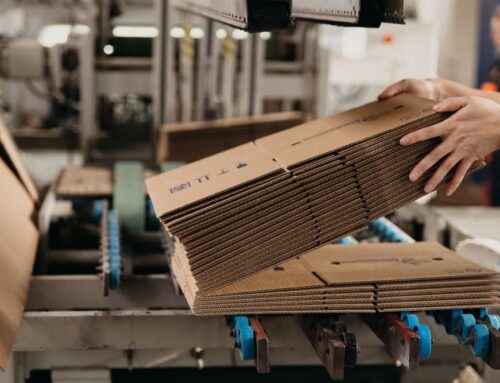
The manufacturing process for corrugated boxes is both efficient and cost-effective, as they can be produced in various sizes and shapes to meet specific needs. Their recyclability and biodegradability are additional advantages that make them a preferred choice in various industries.
Benefits of Using Corrugated Boxes
There are numerous benefits to using corrugated boxes, including their durability, lightweight nature, and ability to be customized. They offer significant protection against moisture and physical impact, reducing the likelihood of damage during shipping. Furthermore, corrugated boxes are an economical choice, as they can be produced in bulk at a relatively low cost.
Another advantage is their eco-friendliness. With increasing consumer awareness regarding sustainability, businesses that utilize corrugated boxes can enhance their brand image by highlighting their commitment to environmentally responsible practices.
Common Applications for Corrugated Boxes
Corrugated boxes are widely used across different sectors, including e-commerce, retail, and manufacturing. They are ideal for shipping everything from fragile items such as electronics to bulk goods like food products. Their versatility also extends to storage solutions, where they can be used to organize and protect products in warehouses and retail spaces.
In addition to standard boxes, specialized corrugated solutions, such as die-cut boxes and printed boxes, are available, catering to specific industry needs and enhancing branding opportunities.
Importance of Proper Storage
Impact of Storage Conditions on Corrugated Boxes
The storage conditions of corrugated boxes can significantly affect their performance and longevity. Factors such as temperature, humidity, and exposure to direct sunlight can compromise the integrity of the box material, leading to weakened structures and increased risk of damage during handling and transit.
Improper storage can also lead to mold growth, especially in environments with high humidity. This not only deteriorates the boxes but can also contaminate the products contained within, creating additional challenges for businesses.
Choosing the Right Storage Space
When selecting a storage area for corrugated boxes, it is crucial to consider factors such as accessibility, cleanliness, and environmental conditions. A dry, well-ventilated space away from direct sunlight is ideal for maintaining the quality of corrugated materials.
Additionally, the storage area should be organized to ensure easy access to boxes and minimize the risk of damage during retrieval. Implementing clear labeling and categorization can greatly enhance efficiency in the storage process.
Temperature and Humidity Considerations
Maintaining optimal temperature and humidity levels is essential for the longevity of corrugated boxes. Ideally, the temperature should be kept between 50°F and 85°F, with humidity levels below 50%. Regular monitoring using hygrometers can help ensure that these conditions are maintained, preventing moisture-related damage.
In climates where extremes in temperature and humidity are common, investing in climate-controlled storage solutions may be necessary to protect the integrity of corrugated materials.
Best Practices for Storing Corrugated Boxes
Organizing Your Storage Area
Effective organization is key to maximizing the lifespan of corrugated boxes. Implementing a systematic approach to storage can help create an efficient and user-friendly environment. Consider using shelving units to keep boxes off the ground and prevent moisture absorption from flooring.
Employ transparent plastic bins or labeled containers for smaller items, and ensure that all items are clearly marked with expiration dates or usage instructions. This practice not only keeps the storage area tidy but also facilitates quick access to needed materials.
Stacking Techniques for Corrugated Boxes
Proper stacking techniques are essential to prevent damage to corrugated boxes. Boxes should always be stacked vertically in a pyramid formation, with heavier boxes at the bottom and lighter boxes on top. This method ensures stability and reduces the risk of toppling.
Moreover, avoid over-stacking boxes, as excessive weight can cause lower boxes to become crushed or deformed. A good rule of thumb is to limit stacks to no more than four to five boxes high, depending on the weight and type of material.
Avoiding Damage During Storage
To avoid damage during storage, it’s vital to keep the storage area clean and free of debris. Regular cleaning helps prevent pests and contaminants that could compromise the boxes’ integrity. Additionally, be mindful of the handling process when moving boxes in and out of storage.
Using tools such as hand trucks or pallet jacks can minimize the risk of dropping or crushing boxes during transport. Employees should be trained on proper lifting techniques to further reduce the risk of damage.
Utilizing Pallets and Racks
Using pallets and racks can significantly enhance the storage of corrugated boxes. Pallets provide a stable base that lifts boxes off the ground, reducing the risk of moisture absorption and allowing for better airflow around the boxes. Racks allow for vertical storage, maximizing space and making it easier to access boxes without the need for excessive stacking.
When utilizing pallets, ensure they are in good condition and free from damage. Regular inspections should be conducted to identify any issues that could lead to accidents or damage to the boxes.
Handling Corrugated Boxes Safely
Importance of Proper Handling Techniques
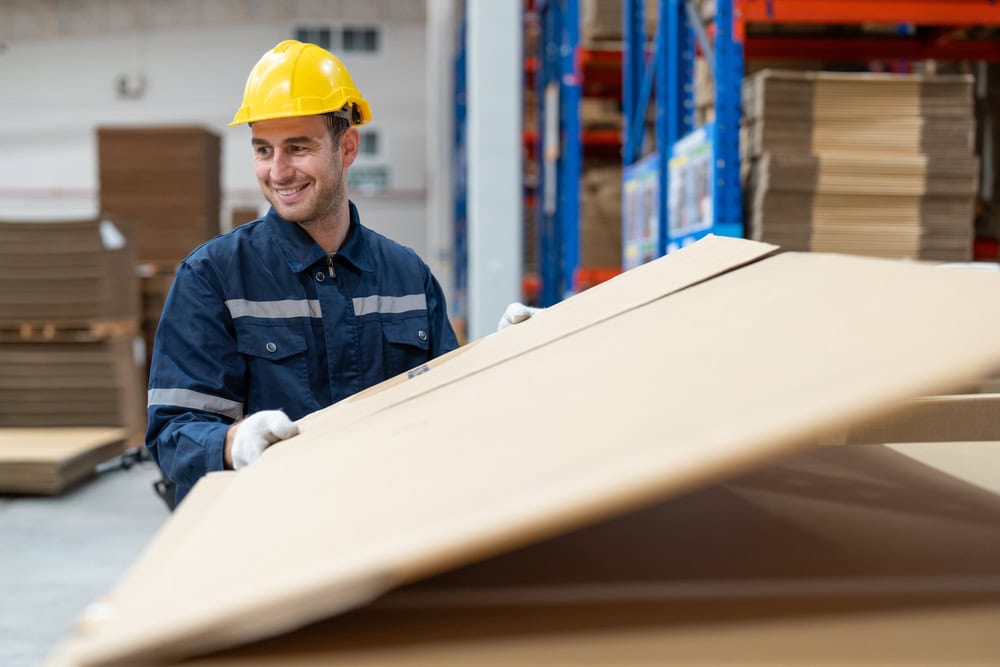
Effective handling of corrugated boxes is crucial to maintain their structural integrity and prolong their usability. Improper handling can lead to tears, crushes, and other forms of damage that may compromise the protection they offer. Employees should be trained on best practices for lifting, carrying, and stacking boxes to prevent injury and damage.
It is also vital to be aware of the weight limits of boxes. Overloading boxes can cause them to burst or collapse under pressure, leading to potential losses in inventory and safety risks for workers.
Tools and Equipment for Handling
Investing in the right tools and equipment can greatly enhance the safety and efficiency of handling corrugated boxes. Hand trucks, dollies, and pallet jacks can help minimize physical strain on employees and reduce the risk of injury. Additionally, using protective gear, such as gloves and safety shoes, can provide an extra layer of safety.
For larger operations, conveyor systems may be beneficial in automating the process of moving boxes, further optimizing workflow and reducing the likelihood of damage during transport.
Training Employees on Handling Procedures
Providing comprehensive training for employees on proper handling procedures is crucial for maintaining safety and efficiency in the workspace. Training should cover lifting techniques, equipment use, and emergency procedures in case of accidents involving corrugated boxes.
Regular refresher courses can help keep safety practices top of mind, ensuring that workers remain vigilant and aware of best practices in handling corrugated materials.
Quality Control Measures
Regular Inspections of Stored Boxes
Implementing a routine inspection schedule is essential for identifying potential issues with stored corrugated boxes. Inspections should focus on checking for signs of wear, moisture damage, and pest infestations. Regular assessments can help catch problems early, allowing for timely interventions.
Additionally, documenting inspection results can help track trends over time, providing valuable insights into the storage conditions and overall quality of the packaging materials.
Identifying Signs of Damage or Wear
It’s important to be able to identify signs of damage or wear in corrugated boxes. Look for indicators such as discoloration, peeling, or warping, which may suggest exposure to moisture or physical stress. Boxes with visible damage should be removed from circulation to prevent them from compromising the products they are intended to protect.
Monitoring the condition of boxes is not only essential for maintaining product safety but also for ensuring compliance with industry standards and regulations.
Implementing a Maintenance Schedule
Establishing a maintenance schedule for corrugated boxes will help ensure ongoing quality control. This may include regular cleaning of the storage area, inspections of the boxes, and adjustments to environmental controls as needed. A proactive approach to maintenance can prevent minor issues from escalating into significant problems.
Additionally, maintaining detailed records of inspections and maintenance activities can provide insights into operational efficiency, allowing for continuous improvement in storage and handling practices.
Optimizing Your Corrugated Box Inventory
Tracking Inventory Levels
Accurate tracking of inventory levels for corrugated boxes is vital for managing supply chains effectively. Businesses should implement inventory management systems that allow for real-time tracking of box usage, ensuring that sufficient stock is available without excess.
Utilizing software solutions can simplify the process of inventory tracking, allowing for quick access to data and reporting capabilities to optimize storage and handling processes.
Implementing a First-In, First-Out System
A First-In, First-Out (FIFO) system is an effective way to manage inventory levels for corrugated boxes. This method ensures that older stock is used before newer stock, reducing the chances of boxes becoming damaged or obsolete during prolonged storage.
By incorporating FIFO practices, businesses can enhance efficiency and maintain a consistent flow of packaging materials, aligning with overall supply chain management strategies.
Using Technology for Inventory Management
Leveraging technology for inventory management can significantly improve the efficiency of corrugated box handling. Automated systems, such as barcode scanners and RFID technology, allow for seamless tracking of inventory levels and usage history, reducing the risk of human error.
These technologies can also facilitate integration with other systems, such as shipping and ordering platforms, creating a more streamlined operational approach and enhancing overall efficiency in the supply chain.
Environmental Considerations
Sustainable Practices for Corrugated Box Handling
As awareness of environmental issues grows, adopting sustainable practices for handling corrugated boxes becomes increasingly important. Businesses should focus on reducing waste, recycling materials, and sourcing boxes from sustainable suppliers to minimize their ecological footprint.
Incorporating sustainability into packaging practices not only supports corporate social responsibility initiatives but can also resonate with consumers who prioritize eco-friendly options.
Recycling and Disposal of Damaged Boxes
Proper recycling and disposal of damaged corrugated boxes are essential for minimizing waste. Businesses should establish protocols for sorting damaged boxes, ensuring they are directed to recycling facilities that can repurpose the materials effectively.
Encouraging employees to participate in recycling initiatives can help foster a culture of sustainability within the organization, reinforcing the importance of environmental responsibility.
Choosing Eco-Friendly Packaging Solutions
In addition to corrugated boxes, businesses should consider utilizing eco-friendly packaging alternatives, such as biodegradable packing peanuts or recycled paper products. These options can help reduce overall waste and support sustainability initiatives.
Making a switch to greener packaging solutions not only benefits the environment but can also enhance brand reputation and consumer loyalty in today’s eco-conscious market.
Partnering with Packaging Fulfillment Co.
Our Expertise in Corrugated Box Handling
At Packaging Fulfillment Co., we specialize in providing comprehensive solutions for storing and handling corrugated boxes. Our team of experts is trained in best practices for inventory management, quality control, and sustainable packaging solutions tailored to your business’s needs.
By partnering with us, you gain access to industry knowledge and expertise that can enhance your operational efficiency and reduce the risks associated with packaging materials.
Customized Solutions for Your Packaging Needs
We understand that each business has unique packaging requirements. That’s why we offer customized solutions designed to meet your specific needs, from sizing and design to storage and handling practices that optimize performance.
By taking a personalized approach, we ensure that you receive the best possible support for your corrugated box handling and storage solutions.
Commitment to Quality and Sustainability
At Packaging Fulfillment Co., we are committed to delivering high-quality packaging solutions that prioritize sustainability. Our materials are sourced responsibly, and we continuously seek innovative ways to improve our practices to minimize environmental impact.
By aligning with our values, you can be confident that your packaging needs will be met with the utmost care for quality and the environment.
Conclusion
Storing and handling corrugated boxes effectively is essential for preserving the integrity of products and optimizing supply chain efficiency. By understanding the characteristics and benefits of corrugated boxes, implementing best practices for storage and handling, and focusing on sustainability, businesses can enhance their operations and reduce risks associated with packaging materials.
Partnering with experts in packaging solutions can further streamline processes, ensuring that your corrugated boxes are stored, handled, and disposed of in the most effective and environmentally responsible manner.