Introduction to Custom Packaging
In a rapidly evolving marketplace, the significance of custom packaging is at an all-time high. This article delves into the future of custom packaging, particularly highlighting the trends that will shape the landscape in 2026. Custom packaging refers to the tailored solutions designed to meet specific product needs, enhance brand identity, and elevate consumer experience. As businesses strive to differentiate themselves, understanding these trends becomes crucial for success.
The importance of custom packaging extends beyond aesthetics. It plays a vital role in marketing, sustainability, and consumer engagement. With rising competition and changing consumer preferences, companies must keep abreast of emerging trends to capitalize on opportunities that resonate with their target audience.
Trend 1: Sustainability in Custom Packaging
Eco-Friendly Materials
As environmental awareness grows, the demand for sustainable packaging solutions intensifies. In 2026, eco-friendly materials will be at the forefront of custom packaging trends. This includes biodegradable plastics, recycled paper, and plant-based materials, which not only reduce waste but also appeal to eco-conscious consumers. Brands are expected to prioritize sourcing materials that minimize environmental impact while ensuring product integrity.
Moreover, the shift towards sustainable packaging is not merely a trend; it is becoming a necessity. Companies that invest in eco-friendly packaging solutions are likely to gain a competitive edge, as consumers increasingly favor brands with sustainable practices. The integration of sustainable materials into packaging design reflects a brand’s commitment to environmental responsibility.
Reducing Carbon Footprint
Beyond the materials used, brands will focus on strategies to reduce their overall carbon footprint in their packaging processes. This includes optimizing logistics to minimize transportation emissions and adopting energy-efficient manufacturing practices. In 2026, the emphasis on reducing carbon emissions will push companies to evaluate their entire supply chain, seeking partners that align with their sustainability goals.
Brands that transparently communicate their carbon reduction efforts can foster trust and loyalty among consumers. As awareness of climate change and environmental issues grows, brands will be held accountable for their environmental impact, making carbon footprint reduction a top priority.
Consumer Demand for Sustainable Options
Consumer preferences are shifting towards brands that demonstrate environmental responsibility. As sustainability becomes a key purchasing criterion, companies must adapt their packaging strategies to meet these expectations. In 2026, we can expect to see a rise in consumer demand for sustainable packaging, pushing brands to innovate in their approaches.
Furthermore, the influence of social media cannot be overlooked. Consumers are more aware of the environmental implications of their purchases and are eager to support brands that prioritize sustainability. Thus, the ability to offer sustainable custom packaging will not only cater to consumer demand but also enhance brand reputation.
Trend 2: Personalization and Customization
Consumer Preferences for Unique Packaging
In an era where individuality is celebrated, personalization in packaging is gaining traction. Consumers are increasingly attracted to unique, custom-designed packaging that reflects their personal style or preferences. By 2026, brands will need to leverage personalization to create memorable unboxing experiences that resonate with consumers on a personal level.
The ability to customize packaging-whether through design elements, colors, or even messages-allows brands to forge deeper connections with their audience. This trend extends beyond aesthetics; it encompasses the emotional engagement that personalized packaging fosters.
Technological Advancements in Personalization
Advancements in technology, such as digital printing and data analytics, will play a pivotal role in enabling brands to offer personalized packaging solutions. Digital printing allows for cost-effective short runs of customized designs, making it feasible for brands to cater to niche markets or special occasions.
Additionally, data analytics will aid brands in understanding consumer preferences, enabling them to create tailored packaging solutions that resonate with their target demographics. By harnessing technology, companies can enhance their packaging strategies while simultaneously improving customer satisfaction.
Benefits of Customized Packaging for Brands
Customized packaging offers numerous benefits for brands, including enhanced brand visibility, improved consumer loyalty, and increased sales. By providing consumers with packaging that speaks to their individuality, brands can differentiate themselves in crowded markets.
Moreover, customized packaging can lead to higher engagement rates on social media platforms, as consumers are likely to share their unique unboxing experiences. This organic marketing can significantly enhance brand awareness and drive sales as potential customers are drawn in by visually appealing and personalized packaging.
Trend 3: Innovative Design Approaches
3D Printing in Custom Packaging
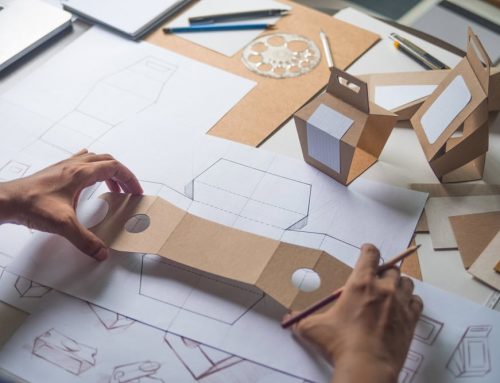
3D printing technology is set to revolutionize the custom packaging landscape in 2026. This innovative approach allows for the creation of intricate and unique packaging designs that were previously difficult or costly to produce. 3D printing facilitates rapid prototyping, enabling brands to test different designs quickly and efficiently.
As brands experiment with 3D printing, we can expect to see a shift towards more complex designs that enhance product visibility and consumer engagement. This technology not only reduces waste but also allows for greater flexibility in design, catering to the needs of both the brand and the consumer.
Interactive Packaging Designs
Interactive packaging is gaining traction as brands look to enhance consumer engagement. Innovations such as QR codes, augmented reality (AR), and NFC technology allow consumers to interact with the packaging in meaningful ways. By 2026, we anticipate that brands will increasingly incorporate interactive elements into their packaging to provide additional value, such as product information or promotional offers.
This trend not only enhances the consumer experience but also allows brands to gather valuable data regarding consumer interactions with the packaging. Such insights can be instrumental in refining marketing strategies and improving product offerings.
Minimalist vs. Maximalist Trends
The debate between minimalist and maximalist design approaches will continue to shape custom packaging trends in 2026. Minimalist designs, characterized by clean lines and simple aesthetics, are favored for their elegance and clarity. Conversely, maximalist designs embrace bold colors, intricate patterns, and an abundance of information or imagery.
Brands will need to carefully consider their target audience and product positioning when choosing between these design philosophies. Ultimately, the right approach will resonate with consumers and reinforce the brand’s identity while effectively conveying the product’s value proposition.
Trend 4: Integration of Technology
Smart Packaging Solutions
Smart packaging is set to transform the way consumers interact with products. By 2026, we can expect a significant increase in the adoption of smart packaging technologies, which include sensors that monitor freshness, temperature, and other critical conditions. This will be especially relevant in industries such as food and pharmaceuticals, where product integrity is paramount.
Smart packaging not only enhances product safety and quality but also provides consumers with real-time information, thereby fostering trust in brand integrity. As technology continues to advance, brands that invest in smart packaging solutions will differentiate themselves and build stronger relationships with their consumers.
Augmented Reality in Custom Packaging
Augmented reality (AR) is rapidly becoming a powerful tool in custom packaging. By overlaying digital information onto physical packaging, brands can create immersive experiences that captivate consumers. In 2026, we can expect to see widespread adoption of AR in packaging, allowing brands to tell their stories, provide instructions, or offer interactive experiences simply through a smartphone scan.
This technology not only enhances consumer engagement but also adds a layer of interactivity that can significantly influence purchasing decisions. Companies that embrace AR in their packaging strategies will likely stand out in a competitive market, delivering unique brand experiences that resonate with tech-savvy consumers.
Tracking and Analytics Through Packaging
As businesses seek more effective ways to understand consumer behavior, the integration of tracking and analytics in packaging will become increasingly important. By embedding sensors or using QR codes, brands can gather data on consumer interactions, preferences, and purchasing patterns.
This wealth of information will provide insights that can shape marketing strategies, product enhancements, and inventory management. By leveraging data analytics, brands can create more targeted campaigns and personalized experiences that cater to consumer desires, ultimately driving sales and fostering loyalty.
Trend 5: Health and Safety Considerations
Packaging for Food Safety
Health and safety have become paramount concerns for consumers, especially in food packaging. In 2026, brands will focus on creating packaging solutions that prioritize food safety, ensuring that products remain untainted and fresh throughout their lifecycle. This involves the use of barriers that prevent contamination and preserve product integrity.
Regulations surrounding food safety packaging will also continue to evolve, compelling brands to stay compliant while ensuring consumer safety. Companies that emphasize safe packaging practices will not only safeguard their products but also enhance consumer trust.
Protective Packaging Innovations
Beyond food safety, protective packaging innovations will emerge as a key consideration for brands looking to safeguard their products during shipping and handling. Advances in materials and designs will enable the development of packaging solutions that provide better cushioning, shock absorption, and resistance to environmental factors.
As online shopping continues to dominate, the need for protective packaging will remain critical. Brands that invest in high-quality protective packaging solutions will reduce the likelihood of damage during transport, thereby enhancing customer satisfaction and loyalty.
Consumer Trust Through Secure Packaging
Security in packaging is not just about physical protection; it also encompasses transparency and traceability. Consumers are increasingly wary of counterfeit products and unsafe packaging practices. In 2026, brands that utilize secure packaging techniques-such as tamper-evident seals and traceable QR codes-will instill confidence in their products.
By ensuring that packaging reflects safety and authenticity, companies can build trust with consumers, ultimately leading to increased brand loyalty and repeat purchases. As consumers prioritize their well-being, brands must adapt their packaging strategies to address these concerns effectively.
Trend 6: E-Commerce and Shipping Packaging
Adapting Custom Packaging for Online Sales
The rise of e-commerce has transformed the packaging landscape, necessitating new approaches to custom packaging in 2026. Brands must develop packaging solutions that are not only visually appealing but also functional for shipping. This includes lightweight designs that minimize shipping costs while ensuring product safety during transit.
In this context, packaging must serve dual purposes: protecting the product and providing an impressive unboxing experience. Brands that successfully balance these elements will likely see higher customer satisfaction and increased sharing on social media platforms.
Cost-Effective Packaging Solutions for E-Commerce
As competition intensifies in the e-commerce space, cost-effective packaging solutions will be essential for brands looking to maintain profitability. By optimizing materials and designs, companies can reduce costs without compromising quality. Innovations such as reusable packaging or compostable materials will also play a role in creating sustainable and cost-effective solutions.
Brands that can streamline their packaging processes while keeping costs in check will be better positioned to thrive in the competitive e-commerce landscape. This efficiency will allow companies to allocate resources toward marketing and product development, further enhancing their market presence.
Unboxing Experience and Its Importance
The unboxing experience is a critical touchpoint in the consumer journey, influencing perceptions of the brand and its products. In 2026, brands will focus on creating memorable unboxing experiences that leave a lasting impression on consumers. This can be achieved through thoughtful design, personalized touches, and high-quality materials that evoke a sense of excitement and anticipation.
Moreover, as consumers increasingly share their unboxing experiences on social media, brands that invest in captivating packaging will benefit from organic marketing. A positive unboxing experience can lead to increased brand awareness, customer loyalty, and engagement across digital platforms.
Trend 7: Globalization and Cultural Influences
Adapting Packaging for Various Markets
As globalization continues to shape the market, brands must adapt their packaging strategies to cater to diverse cultural contexts and consumer preferences. In 2026, understanding local customs, languages, and aesthetics will be crucial for brands looking to succeed in international markets. Custom packaging should reflect cultural nuances while maintaining brand identity.
Brands that successfully navigate these differences will be better positioned to resonate with global consumers, fostering connections that transcend geographical boundaries. A localized approach to packaging can enhance brand perception and increase market share in competitive environments.
Cultural Aesthetics in Custom Packaging
In addition to functional adaptations, cultural aesthetics will play a significant role in custom packaging design. By incorporating local colors, symbols, and traditions, brands can create packaging that feels relevant and relatable to specific audiences. In 2026, we can anticipate a rise in packaging designs that celebrate cultural diversity and inclusivity.
Such designs not only resonate with consumers but also demonstrate a brand’s commitment to understanding and honoring diverse cultures. This approach can foster loyalty among customers who feel represented and valued by the brand.
Challenges of Global Custom Packaging
While globalization offers opportunities, it also presents challenges for custom packaging. Brands must navigate various regulatory requirements, cultural sensitivities, and logistical hurdles when entering new markets. In 2026, addressing these challenges will be essential for brands looking to expand globally.
To overcome these obstacles, companies will need to invest in market research and collaborate with local partners who understand the intricacies of their respective markets. By doing so, brands can create packaging solutions that are both compliant and culturally resonant, ultimately paving the way for successful global operations.
Conclusion: The Future of Custom Packaging
Summary of Key Trends
As we look ahead to 2026, several key trends will shape the landscape of custom packaging. Sustainability will take center stage, with eco-friendly materials and practices becoming essential for brands. Personalization and customization will continue to resonate with consumers, driven by technological advancements that facilitate tailored packaging solutions.
Innovative design approaches, such as 3D printing and interactive elements, will enhance consumer engagement, while the integration of smart technology will transform the way consumers interact with products. Health and safety considerations will remain paramount, ensuring that packaging reflects the growing consumer demand for transparency and security.
Additionally, the rise of e-commerce will necessitate cost-effective and functional packaging solutions that provide memorable unboxing experiences. Finally, as brands navigate the complexities of globalization, the ability to adapt packaging for diverse cultural contexts will be critical for success.
The Role of Packaging Fulfillment Co. in Custom Packaging Solutions
To effectively navigate these trends, brands should consider partnering with Packaging Fulfillment who that specialize in custom packaging solutions. These partnerships can provide valuable insights, resources, and expertise to help brands stay ahead of the curve.
As packaging continues to evolve, companies that embrace innovation and prioritize consumer needs will thrive in the dynamic landscape of custom packaging.