Introduction
In an increasingly competitive marketplace, product packaging has emerged as a critical component that influences consumer behavior and brand perception. As the landscape of consumer goods evolves, so too does the packaging that protects and presents these products. This article delves into the future of product packaging, examining key trends such as sustainability, technological advancements, customization, and minimalism, all of which are reshaping how brands approach packaging design and functionality.
The Importance of Product Packaging
Effective product packaging serves multiple purposes: it safeguards the contents, enhances brand recognition, and communicates vital information to consumers. Good packaging design can make a product stand out on crowded shelves or online marketplaces and can significantly affect purchasing decisions. Furthermore, as consumer awareness around environmental issues grows, brands are now faced with the challenge of not just capturing attention but also aligning with ethical consumerism trends.
As we explore the future of packaging, it is essential to understand that consumers are becoming more discerning. They seek brands that prioritize sustainability, authenticity, and innovation. Therefore, businesses must adapt their packaging strategies to remain competitive while meeting these evolving consumer expectations.
Sustainability in Product Packaging
Eco-Friendly Materials and Innovations
Sustainability has transitioned from being a trend to an expectation within the packaging industry. Brands increasingly utilize eco-friendly materials such as recycled paper, plant-based plastics, and glass to minimize their carbon footprint. Innovations such as edible packaging and packaging made from agricultural waste are gaining traction, providing alternatives that not only reduce waste but also appeal to environmentally conscious consumers.
The shift toward sustainable materials is not just about compliance; it also presents an opportunity for brands to enhance their image. For instance, companies like Unilever and Coca-Cola have committed to ambitious sustainability goals, including reducing plastic usage and increasing the recyclability of their packaging. By adopting these practices, brands can cultivate a loyal customer base that values environmental responsibility.
Biodegradable and Compostable Packaging Solutions
Beyond just recyclable options, biodegradable and compostable packaging solutions are rapidly becoming mainstream. These materials break down more safely and quickly in natural environments, reducing landfill waste and pollution. Brands like Tetra Pak are leading the charge in creating packaging that is not only functional but also aligns with sustainable practices, offering consumers peace of mind that their purchasing choices are environmentally friendly.
Moreover, regulatory bodies are beginning to enforce stricter guidelines around packaging waste, pushing companies to rethink their materials. This creates a landscape ripe for innovation where companies that invest in sustainable packaging solutions gain a competitive edge.
Recycling and Circular Economy Practices
The concept of a circular economy is gaining momentum, focusing on reducing waste and maximizing resource use. Companies are now designing packaging with end-of-life considerations in mind, making it easier for consumers to recycle products after use. For instance, initiatives that encourage the return of packaging for reuse or recycling are becoming more commonplace, illustrating a commitment to sustainability from the design stage to post-consumer life.
Brands that adopt circular economy principles not only enhance their sustainability credentials but also contribute to a more responsible consumption model. By integrating recycling education into their marketing strategies, companies can empower consumers and foster a culture of sustainability.
Smart Packaging Technologies
Introduction to Smart Packaging
Smart packaging is revolutionizing how brands interact with consumers. By incorporating technologies such as QR codes, NFC (Near Field Communication), and temperature sensors, smart packaging provides additional layers of information and engagement. This allows consumers to access product details, verify authenticity, and receive real-time updates about their purchases.
As brands seek to differentiate themselves, smart packaging offers a way to enhance the customer experience. For example, beverages can now be packaged with temperature-sensitive labels that change color when the drink is at its optimal temperature, effectively communicating readiness to the consumer.
Benefits of Smart Packaging for Brands
For brands, smart packaging presents several advantages. It promotes brand loyalty by enhancing the user experience through interactive features. Additionally, the data collected from smart packaging can offer valuable insights into consumer behavior, preferences, and engagement patterns, helping brands tailor their marketing strategies effectively.
Moreover, smart packaging can also bolster supply chain efficiency. With real-time tracking capabilities, brands can monitor product conditions during transit, ensuring quality and safety. This predictive analysis can mitigate risks and improve overall operational effectiveness.
Examples of Smart Packaging in Use
Several brands have already begun to embrace smart packaging. For instance, Coca-Cola has utilized augmented reality on its packaging to provide engaging content and interactive experiences for consumers. Similarly, the beauty industry has adopted RFID technology in packaging to streamline inventory management and curb counterfeiting.
These examples highlight that smart packaging is not merely a gimmick but a strategic investment that can offer significant returns in consumer engagement and brand loyalty.
Customization and Personalization
The Rise of Personalized Packaging
In an era of mass production, personalization has emerged as a powerful trend in product packaging. Consumers are increasingly drawn to products that reflect their individuality. Brands are responding by offering customizable packaging options, allowing customers to choose designs, colors, and even messages that resonate with them personally.
Personalized packaging enhances the customer experience, making it more memorable and unique. Companies like M&M’s have succeeded by allowing customers to print their names or messages on candy wrappers, turning a simple purchase into a personal keepsake.
Impact of Custom Packaging on Consumer Experience
The impact of custom packaging on consumer experience cannot be overstated. When consumers feel a connection to a product, they are more likely to share their experience, whether through social media or word of mouth. This organic promotion can lead to increased brand awareness and loyalty, as customers appreciate the effort brands put into personalizing their offerings.
Additionally, custom packaging can serve as a marketing tool. Limited edition designs or seasonal packaging can create urgency and encourage impulse buying, as consumers are drawn to products that stand out visually and emotionally.
Case Studies: Brands Leading in Customization
Leading brands in the customization space include Nike, which offers personalized shoe designs through its platform Nike By You, and Coca-Cola’s Share a Coke campaign, which further popularized personalized packaging by featuring common names on bottles. These initiatives demonstrate how customization can drive sales and foster a deeper emotional connection with consumers.
Minimalism in Product Packaging Design
Trends Toward Simplicity and Efficiency
As consumers grow weary of cluttered and overly complex packaging, minimalism has emerged as a design philosophy that emphasizes simplicity and efficiency. Brands are embracing clean lines, neutral colors, and easily understood messaging to create a refined aesthetic that resonates with modern consumers.
Minimalist packaging often reduces material usage, contributing to sustainability efforts while also appealing to consumers who appreciate straightforwardness. This trend reflects a broader cultural shift towards simplicity, where consumers value quality and authenticity over excess.
Benefits of Minimalist Packaging
Minimalist packaging has several advantages. It reduces production costs by using fewer materials and simplifies the supply chain, making it easier to manage inventory and logistics. Furthermore, it enhances the unboxing experience, allowing consumers to connect with the product itself rather than being distracted by packaging gimmicks.
Brands such as Apple exemplify the effectiveness of minimalist design. Their product packaging is sleek and understated, focusing entirely on the product. This not only reinforces brand identity but also enhances perceived value and consumer satisfaction.
Examples of Successful Minimalist Packaging
Several companies have successfully adopted minimalist packaging strategies. For instance, the skincare brand Aesop uses simple glass containers with straightforward labels, inviting consumers to focus on the product’s natural ingredients. Similarly, the beverage brand Blue Bottle Coffee employs simple yet elegant packaging that emphasizes freshness and quality.
These examples illustrate that minimalist packaging can effectively communicate a brand’s values while enhancing consumer appeal and experience.
Integration of Technology in Packaging Operations
Automation in Packaging Fulfillment
The integration of technology into packaging operations is transforming how products are packaged and distributed. Automation streamlines processes, reduces labor costs, and increases efficiency. Automated packaging machines can handle variability in product sizes and shapes with precision, allowing for faster turnaround times.
As brands scale their operations, automation becomes crucial for maintaining consistent quality and meeting consumer demand. Automated systems not only reduce the potential for human error, but they can also be programmed to adjust for different packaging designs and materials, enhancing flexibility.
Data Analytics for Packaging Decisions
Data analytics plays a pivotal role in guiding packaging decisions. Brands can leverage consumer insights gathered from various touchpoints to inform design choices and material selections. By analyzing purchasing patterns, brands can anticipate consumer needs and preferences, ensuring that packaging aligns with market trends.
This data-driven approach allows brands to optimize packaging for both functionality and consumer appeal, leading to improved sales and consumer satisfaction.
Impact of Technology on Supply Chain Efficiency
Technology has significantly improved supply chain efficiency within the packaging industry. With real-time tracking systems and inventory management software, brands can monitor each step of the packaging process, from production to distribution. This granularity enables better forecasting and minimizes waste, aligning with sustainability goals.
Furthermore, technology facilitates collaboration among different stakeholders in the supply chain, allowing for more agile responses to market changes and consumer demands. This interconnectedness is crucial in today’s fast-paced retail environment, where consumer preferences can shift rapidly.
Regulatory Changes Affecting Product Packaging
Understanding Compliance and Regulations
As sustainability and consumer safety take center stage, regulatory frameworks governing product packaging are becoming increasingly stringent. Governments worldwide are implementing policies aimed at reducing plastic waste, enhancing recyclability, and ensuring the safety of packaging materials. Brands must navigate these regulations to avoid penalties and maintain market access.
Compliance not only protects consumers but also enhances brand credibility. Companies that proactively adhere to regulations demonstrate a commitment to ethical practices and consumer protection, which can enhance brand reputation in a competitive marketplace.
Impact on Packaging Design and Materials
Regulatory changes are driving innovation in packaging design and materials. Brands are compelled to explore alternative materials that meet safety and environmental standards. This shift has led to the development of bio-based plastics and other sustainable materials that fulfill both regulatory requirements and consumer preferences.
Moreover, regulatory guidelines can influence consumer perception. Brands that comply with sustainability regulations are often viewed more favorably, leading to increased consumer trust and loyalty.
Future Trends in Regulatory Practices
Looking ahead, regulatory practices are likely to evolve further. As consumer awareness and environmental concerns grow, it is anticipated that regulations will become even stricter, potentially mandating the use of sustainable packaging across various industries. Businesses must stay abreast of these changes and adapt their strategies accordingly to remain compliant.
Engaging with regulatory bodies and industry organizations can help companies anticipate shifts in regulations and prepare for future requirements, ensuring a proactive approach to compliance.
The Role of Packaging Fulfillment Centers
Importance of Partnering with Fulfillment Centers
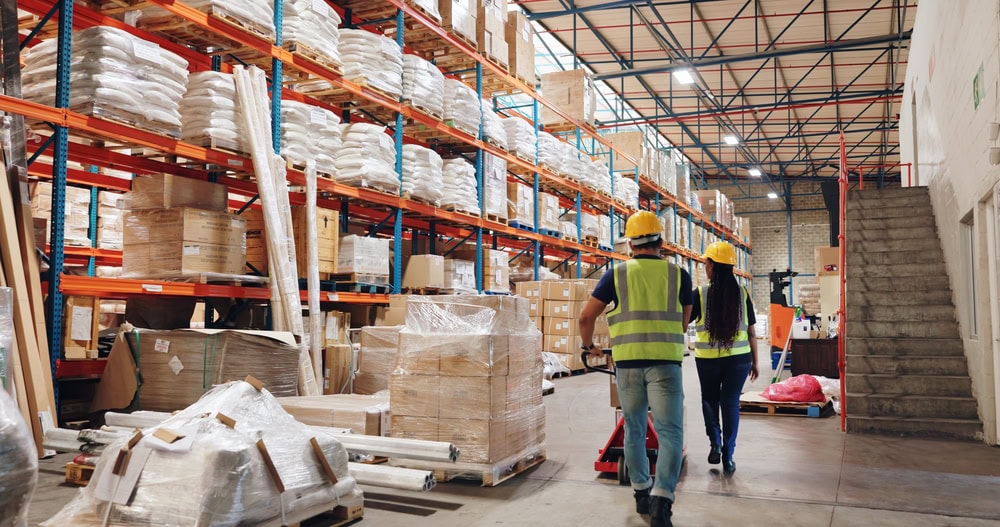
As the demand for timely and efficient delivery of products increases, brands are increasingly recognizing the value of partnering with packaging fulfillment centers. These specialized facilities help streamline the packaging and distribution process, allowing companies to focus on core business activities while ensuring their products reach consumers efficiently.
Fulfillment centers offer a range of services, including warehousing, packing, and shipping, which can significantly reduce operational burdens for brands. By outsourcing these functions, businesses can achieve greater scalability and flexibility in response to market fluctuations.
Services Offered by Packaging Fulfillment Centers
Packaging Fulfillment Center provide a comprehensive suite of services that can range from basic packing and shipping to advanced inventory management and order tracking. This array of services allows brands to optimize their logistics and enhance customer satisfaction with faster, more accurate deliveries.
Moreover, many fulfillment centers utilize advanced technology to manage inventory and streamline operations, providing brands with valuable insights into inventory levels and consumer demand. This data can inform packaging strategies, helping businesses make data-driven decisions about their packaging and logistics.
How Fulfillment Centers Adapt to Packaging Trends
Fulfillment centers are evolving to meet the changing demands of the packaging industry. As trends such as sustainability, customization, and smart packaging gain traction, these centers are investing in new technologies and processes to accommodate these innovations.
For example, many fulfillment centers are adopting eco-friendly packaging materials and practices in response to consumer demand for sustainability. Additionally, they are implementing systems that allow for personalized packaging options, helping brands deliver customized experiences to their customers.
Conclusion
Recap of Key Trends in Product Packaging
The future of product packaging is characterized by significant trends that emphasize sustainability, technology, customization, and simplicity. Brands that prioritize eco-friendly materials and practices will not only meet regulatory requirements but also resonate with the growing demographic of environmentally conscious consumers. At the same time, technological advancements are revolutionizing packaging operations, enabling brands to enhance the customer experience through smart and personalized solutions.
The Future of Product Packaging: A Collaborative Effort
As the packaging landscape continues to evolve, it is evident that collaboration among brands, consumers, and regulatory bodies will play a crucial role in shaping the future. Companies must remain agile, continually adapting their packaging strategies to align with emerging trends and consumer expectations. By embracing innovation and sustainability, businesses can not only thrive in a competitive market but also contribute positively to the environment and society. When you’re ready to learn more contact us at Packaging Fulfillment Center for more information.